Properties That Maintain Tenant Satisfaction
Commercial building cleaning in Acworth for multi-tenant properties requiring consistent maintenance across lobbies, restrooms, and shared spaces
Property managers and building owners face tenant complaints and lease renewal challenges when shared spaces decline visibly—lobbies with dirty floors, restrooms running out of supplies, and hallways accumulating trash create the impression of neglect that affects tenant satisfaction and property reputation. Innovations Building Maintenance provides commercial building cleaning in Acworth, Marietta, Kennesaw, Powder Springs, Dallas, and Roswell for office buildings, medical complexes, retail centers, and mixed-use properties. The service maintains common areas that multiple tenants and their visitors use daily, supporting the professional appearance property managers need to retain tenants and attract new leases.
Commercial building cleaning focuses on the spaces tenants share but do not individually maintain—building lobbies, elevator cabs, stairwells, shared restrooms, hallways, and parking garage entryways. These areas experience continuous traffic from tenants, employees, clients, and delivery personnel, which accelerates dirt buildup and wear. The service includes vacuuming and mopping floors, emptying trash and recycling receptacles, cleaning restroom fixtures, restocking supplies, wiping down high-touch surfaces, and maintaining elevator interiors and stairwells. Scheduling typically occurs during evening hours after most tenants have left, though early morning or weekend service can be arranged for buildings with extended operating hours.
Request a property assessment to evaluate your building's square footage, tenant count, and current maintenance gaps in shared areas.
How Commercial Cleaning Maintains Property Value
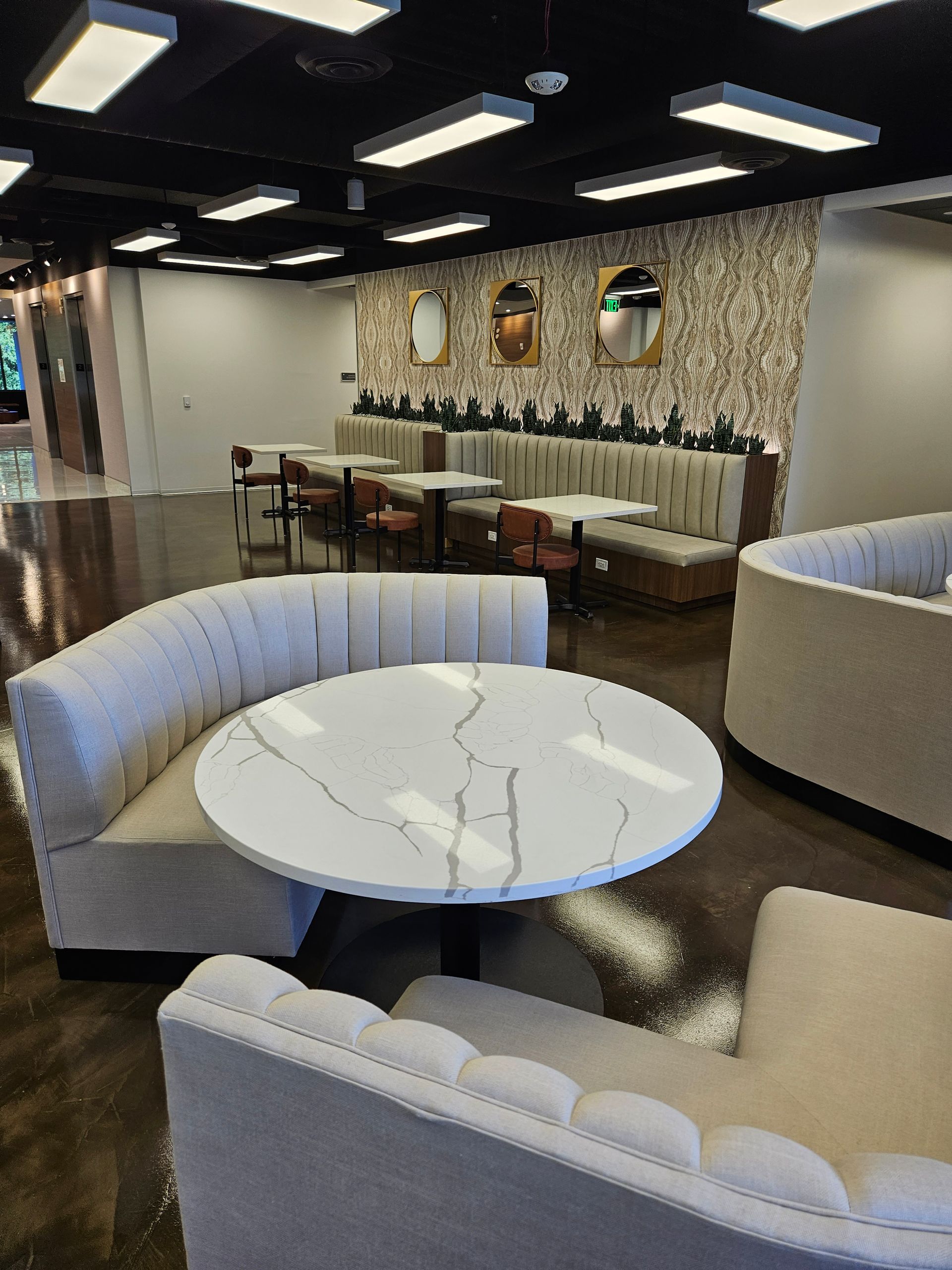
Consistent maintenance of shared spaces directly affects tenant retention and lease rates because tenants judge building quality by the areas they see every day. Lobbies with clean floors and polished surfaces create positive first impressions for clients visiting tenant offices. Restrooms that remain stocked and sanitary throughout the day reduce tenant complaints and reflect well on property management. Hallways and elevator cabs free of trash and dirt signal that the property is actively maintained rather than minimally serviced. Over time, neglected common areas accelerate tenant turnover and make it harder to justify competitive lease rates.
You see lobbies that present well during business hours with clean floors and dust-free surfaces, restrooms that stay stocked and functional even during peak use times, and hallways and elevators that remain free of visible debris or odors. High-touch surfaces like door handles, elevator buttons, and handrails are wiped regularly to reduce germ transmission among building occupants. The property maintains a consistent appearance that tenants notice and associate with professional management. Visitors to tenant offices form impressions based on the building's condition before they even enter individual suites.
Commercial building cleaning services scale based on property size, tenant count, and the specific areas requiring attention. Some properties need full-building coverage while others focus on high-visibility areas like lobbies and first-floor restrooms. Service frequency can be adjusted seasonally—Georgia's spring pollen season increases the need for lobby floor cleaning as tracked-in pollen becomes visible quickly, while summer humidity may require more frequent restroom checks to manage moisture and odors. Cleaning plans can be tailored to fit property budgets and tenant expectations without locking managers into rigid contracts.
Questions Property Managers Ask About Building Maintenance
Property managers evaluating cleaning services typically want to understand how the service integrates with existing building operations and tenant needs.
What areas are included in commercial building cleaning?
Standard service covers building lobbies, shared restrooms, hallways, stairwells, elevator cabs, and common areas, with individual tenant suites typically excluded unless separately contracted by the tenant or included in the lease agreement.
How is cleaning scheduled in buildings with tenants operating outside standard hours?
Cleaning schedules are configured around tenant operating patterns, with evening service for standard office buildings and customized timing for properties with retail tenants, medical offices, or other businesses that operate extended hours.
What frequency is typical for commercial buildings in Acworth?
Frequency depends on tenant count and traffic volume—smaller buildings with fewer than ten tenants often schedule service three times per week, while larger multi-tenant properties with high daily traffic require five or six days per week to maintain visible cleanliness.
How does spring pollen in Georgia affect building cleaning?
Spring pollen increases the rate at which lobby floors, entryways, and shared spaces become visibly dirty as occupants track pollen indoors, often requiring increased floor cleaning frequency or additional matting at building entrances during peak pollen months.
What should property managers communicate to tenants about shared space cleaning?
Managers should clarify which areas are covered by building cleaning services versus tenant responsibility, communicate the cleaning schedule so tenants know when to expect service, and provide a contact for reporting maintenance issues in shared spaces.
Innovations Building Maintenance works with property managers to develop commercial building cleaning plans that fit property budgets, tenant expectations, and building operating hours. Contact us to discuss your property's specific needs and receive a detailed service proposal based on square footage and required maintenance frequency.